The Story Behind Connemara's Dry Stone Walls
These walls aren't just scenery — they're centuries of history. Learn why they're built this way and what you're really looking at on your rides.

What You're Actually Looking At
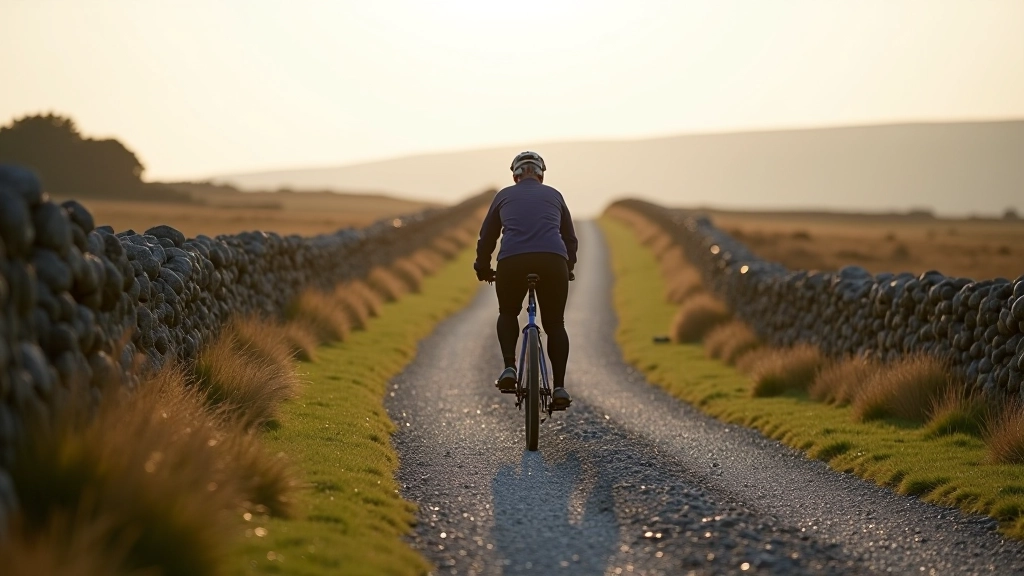
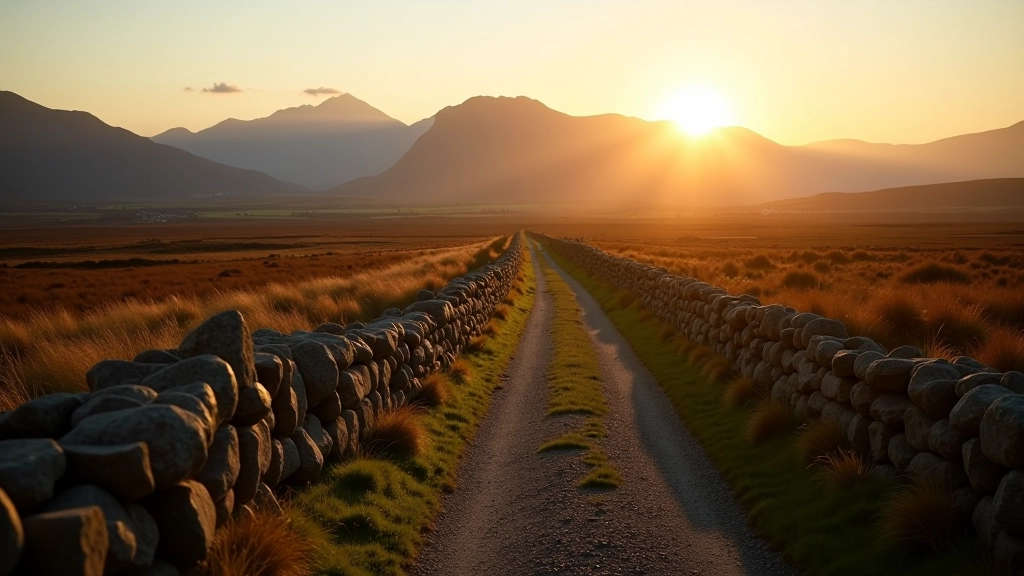
On your rides through Connemara, you'll pass hundreds of dry stone walls. Most riders never think twice about them. But these walls tell a story that's been unfolding for over 300 years. They're not decorative — they're functional, ingenious, and built with knowledge passed down through generations.
Every wall you see represents someone's hard work, careful planning, and understanding of the landscape. Understanding where these walls came from changes how you see the terrain you're cycling through. It's not just pretty countryside — it's a carefully managed landscape shaped by centuries of farming, boundaries, and adaptation.
01
The Land Enclosure Movement
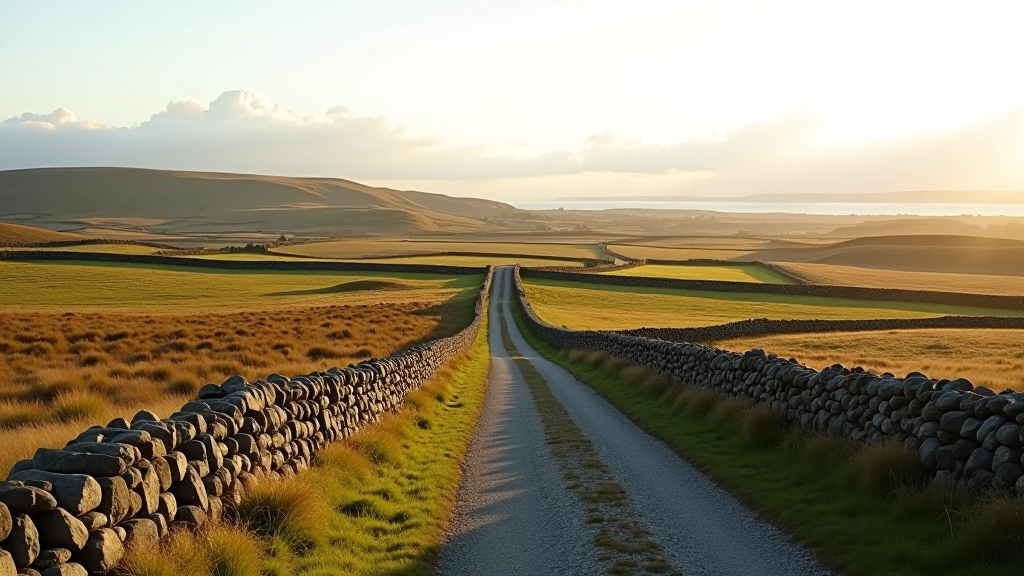
In the late 1700s and early 1800s, landlords across Ireland started dividing up open common land into individual holdings. This wasn't random. They needed clear boundaries for tenant farms, and they needed them fast. Dry stone walls were the answer — no mortar needed, no expensive materials. Just rocks from the fields themselves.
The timing matters. When the Great Famine hit in the 1840s, many of these walls were already decades old. They'd become part of the landscape, part of how people understood their property and their place. The walls you're cycling past often date back to that enclosure period — around 1800-1850. Some are even older.
Why They're Built This Way
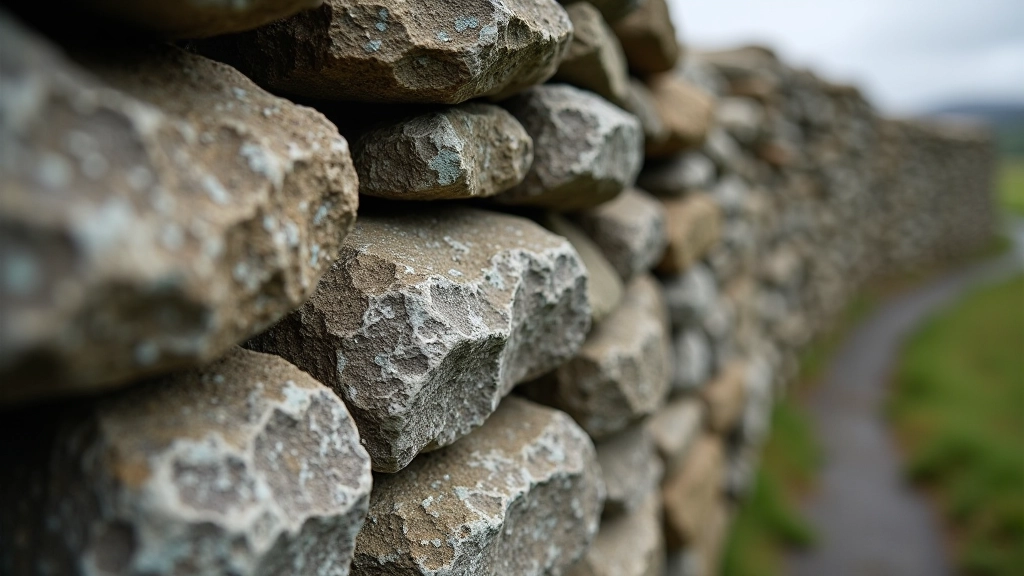
There's a reason dry stone walls don't use mortar. On bogland, the ground shifts. Peat contracts and expands with moisture. A rigid mortared wall would crack and collapse. Dry stone walls are flexible — they can move slightly without breaking. It's engineering that works with the landscape, not against it.
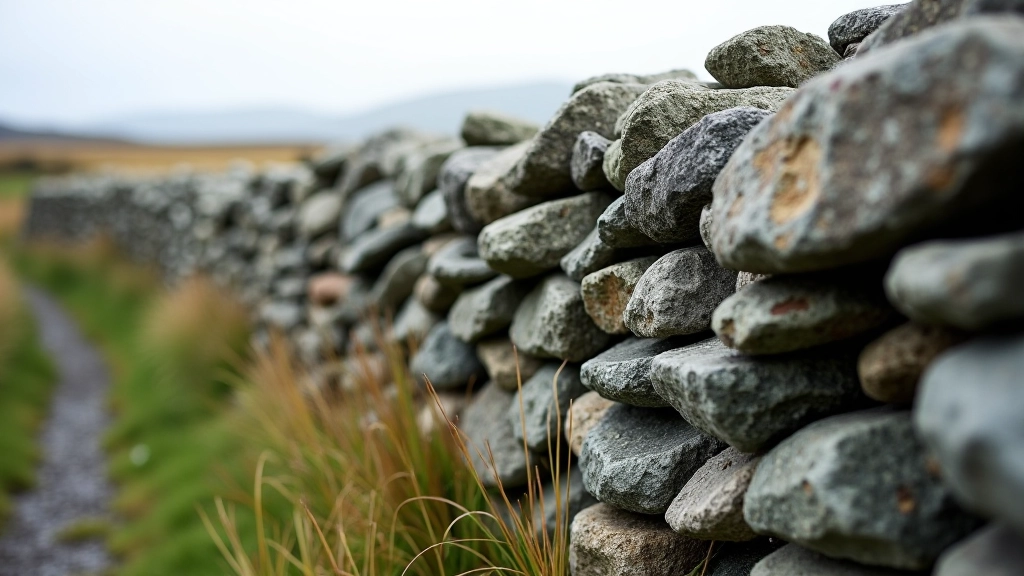
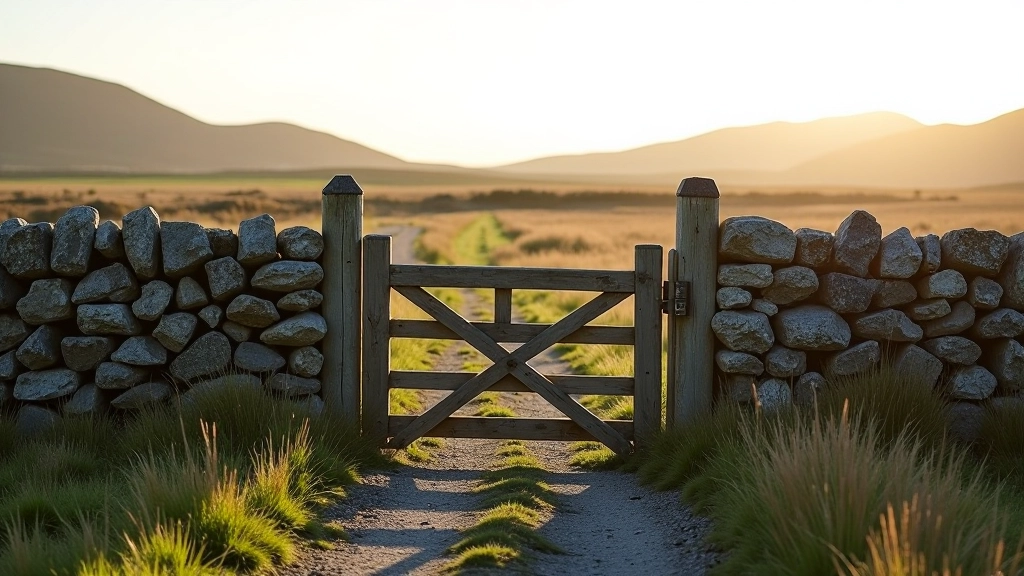
The rocks themselves are crucial too. Builders selected flat stones that fit together like puzzle pieces. Wider stones go on the bottom for stability. Smaller stones fill the gaps. A skilled wall builder can create something that'll last 200 years without any binding agent. It's honestly impressive craftsmanship.
Most Connemara walls are about 4-5 feet high and 2-3 feet thick at the base — designed to be sheep-proof but still climbable for people maintaining them.
What The Walls Tell You About The Land
If you're cycling and paying attention, the walls reveal what the terrain is like beneath the peat. Where you see walls running in long straight lines? That's likely good grazing land — valuable enough to fence carefully. Where walls follow the contours and curves? The builders were working around wet areas, boggy patches, or difficult ground.
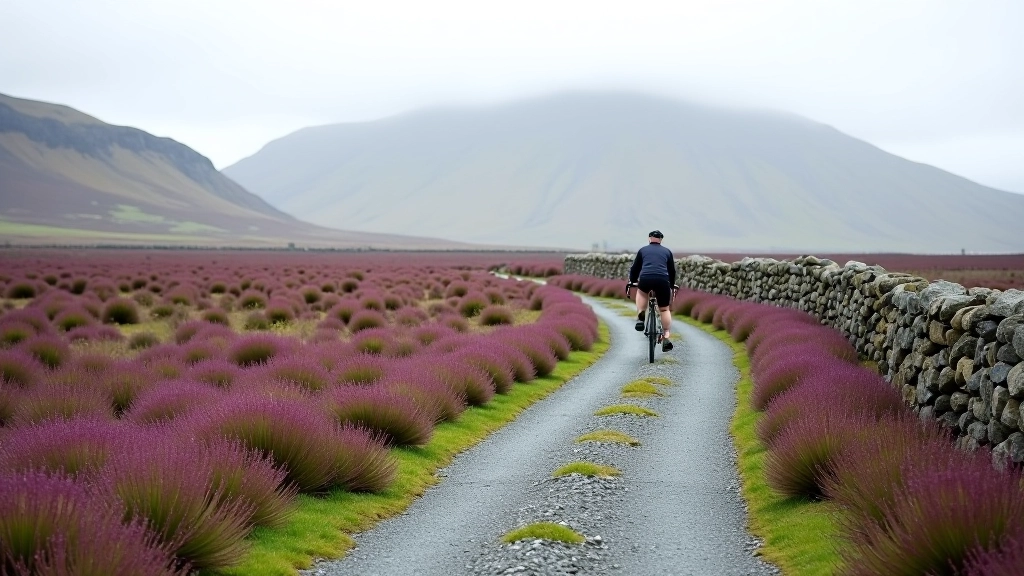
The density of walls matters too. Tight field patterns mean intensive agriculture. Open stretches with few walls suggest marginal land — areas where farming was never reliable. On your bog road routes, you're actually cycling through a landscape that tells stories about 19th-century farming economics and survival.
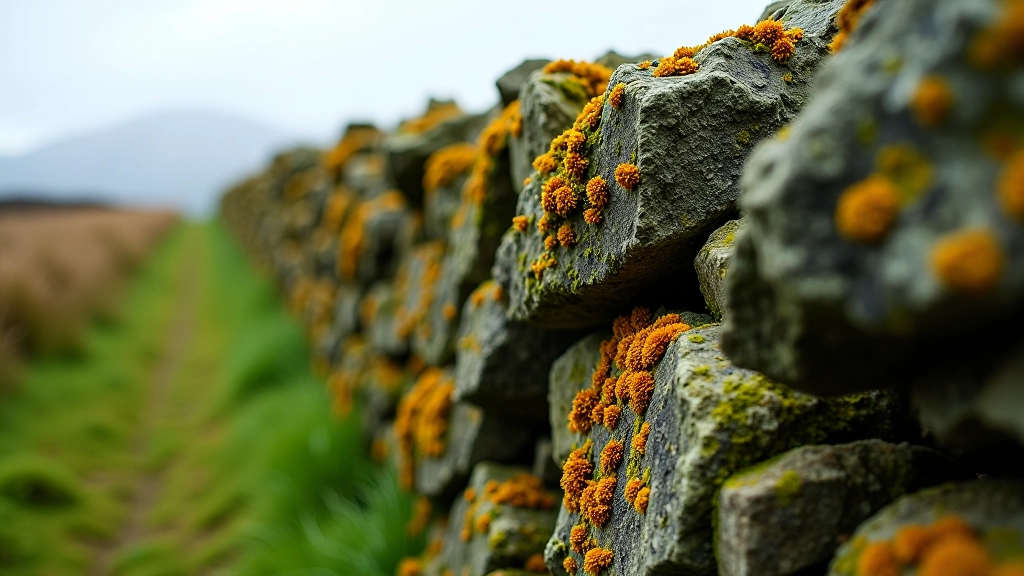
Older walls often have moss and lichen covering them completely. Newer repairs (last 50-100 years) look noticeably different — cleaner, brighter stones. You can read the repair history in the color variations. Some walls have been maintained continuously for over 200 years.
Maintaining The Walls Today
These walls aren't historical artifacts gathering dust. They're still maintained, still used. Farmers and landowners repair them regularly, especially after harsh winters when frost and settling damage sections. It's skilled work — you can't just pile rocks randomly. You need to understand how the wall was originally built to repair it properly.
There's a shortage of people who know how to build and repair these walls the traditional way. It's a craft that took years to learn. Organizations like the Irish Dry Stone Wall Association are trying to keep the knowledge alive, training new people in the techniques. Without this effort, the skills would disappear within a generation.
About This Article
This article is informational, designed to help you understand the historical and cultural context of dry stone walls in Connemara. While we've worked to ensure accuracy, historical details about individual walls and construction dates can vary based on local records and oral history. The information about wall construction and maintenance is based on traditional building practices documented by heritage organizations. For specific questions about particular walls or properties, consult with local historians or the property owners in your area.
Your Next Ride With New Eyes
Next time you're out on a bog road route, take a moment to really look at the walls. Notice how they're built, where they run, how they've been repaired. You're looking at engineering, economics, and history all combined into stone boundaries that have shaped this landscape for centuries.
Understanding these walls changes your perspective on cycling through Connemara. It's not just a scenic route — it's a journey through layers of human history, adaptation, and craftsmanship. The landscape isn't empty. It's written in stone.
Related Articles